
"coffee auction system"
600 article(s) found
Grindability characteristics of fruit-flavored Kenyan coffee an introduction to the taste of high-quality coffee beans in producing areas
Kenya maintains a presidential system of government. Since independence, the Kenyan League has been in power for a long time. After changing to a multi-party system in 1991, the Kenyan League won two consecutive multi-party elections in 1992 and 1997, and Moi was re-elected president. In the third multi-party general election held in December 2002, the opposition coalition National Rainbow Alliance (all League) defeated the Kenya League, Kibaki was elected president, and the League won a majority of seats in parliament. 2007 1

Acidity and texture A brief introduction to the characteristics of Coffee Flavor Manor in Xidamo Shaqiso producing area
According to the law, all coffee is sold through an auction held by Addis and DiRedawa. During the coffee harvest, such auctions are even held twice a day. In Ethiopia, the grading and quality control system of coffee is divided into three levels: producer, regional and national. All coffee must be inspected by the local inspection agency before leaving the producing area, and then in Asia.
Value chain Analysis of Kenyan Coffee Fine African Coffee beans
In the processing stage of coffee beans in the upper reaches of the industry, auction and marketization are the two most important issues. There are only five mills in Kenya, and KPCU manages the largest one and controls about 70% of its production revenue. For the auction phase, until 2002, the Kenya Coffee Commission (Coffee Board of Kenya) was the only auction agent. twenty

A brief history of Kenyan coffee auction grading system introduces which brands of Kenyan coffee are good or not expensive
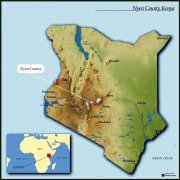
Professional coffee knowledge exchange more coffee bean information please follow the coffee workshop (Wechat official account cafe_style) Kenya, the full name of the Republic of Kenya, is located in eastern Africa, the equator runs across the central part of the East African Rift Valley across the north and south. It is bordered by Somalia to the east, Tanzania to the south, Uganda to the west, Ethiopia and Sudan to the north, and the Indian Ocean to the southeast. Many plateaus in the territory, flat
East African Coffee Kenya Coffee Industry Story and Arabica Coffee Flavor
Kenya's coffee industry is known for its cooperative system of grinding, selling and auctioning coffee, as well as a high proportion of odor farm production. The East African country Kenya is the 21st largest coffee producer in the world, producing more than 50 million kilograms (112 million pounds) in 2006. Coffee exports account for about 5% of Kenya's total exports. It is estimated that 6 million Kenyans are directly or indirectly employed in the coffee industry.

Kenyan coffee grading system on how to brew? Flavor description? What taste?
Kenyan coffee grading system on how to brew? Flavor description? What taste? The coffee grading system in Kenya was established under the policy of the government leading the management of quality and tutoring coffee farmers. After the coffee was harvested, the official unit of the Kenya Coffee Agency (Coffee Board of Kenya referred to as CBK) was established in 1933 in the capital Nairobi (N).

African flavor Ethiopian grade G1G2 G3 boutique coffee beans
Pre-auction process 1) farmers pick fresh coffee fruits; 2) farmers transport fresh fruits to rural cooperatives; 3) cooperatives sell fresh fruits to middlemen; 4) middlemen collect and transport fresh fruits to processing plants (washing or tanning process); 5) middlemen transport processed beans (with shell beans, Parchment Coffee) to auction houses to establish warehouses; 6) auction houses give official evaluation (

A brief introduction to the Ethiopian ECX trading system that manages the export of Ethiopian coffee
Ethiopia is the country where coffee was first discovered, and it is still the most important and best producer of coffee in terms of quality and output. Coffee is mostly traditional Arabica species, with an annual output of about 350000 tons and more than 70% of which are exported to countries around the world. About 15 million people in the country are engaged in coffee-related industries, and more than 90% of the farms or cooperatives are planted in small areas.

COE Coffee Excellence Cup Competition introduces the auction time of Cup of Excellence excellent Cup coffee beans.
CoE, or CupofExcellence, stands for a perfect cup of coffee, also known as the excellent cup. It is the most important boutique coffee bean competition in the world. First held by ACE in Brazil in 1999, it is now the most famous and authoritative boutique coffee competition in the world.

Kenya PB Kenya Coffee grading system
Professional coffee knowledge exchange more coffee bean information please follow the coffee workshop (Wechat official account cafe_style) Kenya coffee grading system is set up under the government-led policy of managing quality and mentoring coffee farmers. After the coffee is harvested, the official unit set up by the government, the Kenya Coffee Agency (Coffee Board of Kenya referred to as CBK), was established in 1933.

Introduction to the method of Grinding and Calibration of varieties for describing the characteristic Flavor of AA in Coffee production area of Kenya
Kenya coffee production area AA characteristic flavor description taste variety grinding scale treatment method Kenya coffee grade Kenya is a well-known producing area based on the size of coffee beans. Usually divided into nine grades, according to the bean type, there are PB, that is, round beans, accounting for about 10% of the total output, in addition to E (elephant beans), AA, AB, C, T, TT, MH, ML according to size. Kenyan coffee picture

Description of Manor Flavor of Coffee beans in Kenya introduction of Manor Grinding Calibration method
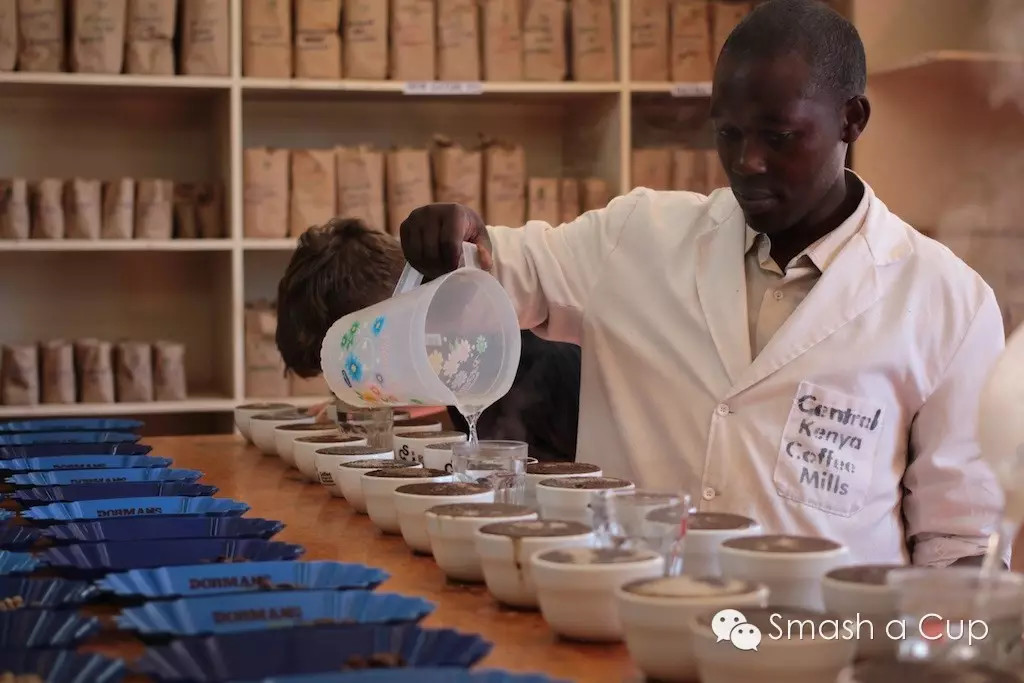
The Manor Flavor description of Kenyan Coffee beans the method of manor grinding scale treatment introduces that Kenyan coffee is sold almost exclusively through the coffee exchange in the capital Nairobi. Coffee auctions are held at coffee exchanges every Tuesday during the harvest season. Traders with trading qualifications will get raw bean samples in advance. After the cup test, they will choose the raw beans they like.

Description of Manor characteristics, Grade and Flavor of Coffee beans in Kenya
Kenya Coffee Bean Manor characteristic Grade Flavor description the variety of the manor producing area the Kenyan government takes the coffee industry very seriously and responsibly, where it is illegal to cut down or destroy coffee trees. Kenyan coffee buyers are world-class high-quality coffee buyers, and no other country can grow, produce and sell coffee on a continuous basis like Kenya. All the coffee.

Flavor description of Kenyan coffee beans introduction to the grading characteristics of manor estates and brands
Description of the flavor of Kenyan coffee beans Antigua is a famous producing area of coffee. Antigua is characterized by rich volcanic soil, low humidity, strong sunlight and cool night breeze. Three spectacular active volcanoes: Agua, Acatenango and Fuego form a valley

What's the taste of Kenyan coffee? Introduction to the grading system of Kenyan Coffee
Professional coffee knowledge exchange more information about coffee beans Please follow the coffee workshop (official Wechat account cafe_style) since coffee beans traveled through the mountains from Ethiopia to Kenya, Kenya has become one of the leaders of the coffee industry. Coffee beans produced under the mountain terrain of Gaoyuan are generally mellow, excellent in taste and with pleasant acidity.

Ethiopia's Yega Xuefei latest Coffee Market latest Coffee Information
In Ethiopia, the grading and quality control system of coffee is divided into three levels: producer, regional and national. All coffee is inspected by local inspection agencies before leaving the country of origin, and then re-tested at the coffee inspection and grading centers in Addis and Diredawa to determine its quality grade. Coffee is graded before auction and sale, for all involved in production, acquisition,

Video of grading milking of Ethiopian coffee
In Ethiopia, the grading and quality control system of coffee is divided into three levels: producer, regional and national. All coffee is inspected by local inspection agencies before leaving the country of origin, and then re-tested at the coffee inspection and grading centers in Addis and Diredawa to determine its quality grade. Coffee is graded before auction and sale, for all involved in production,

Very suitable for coffee growth. Introduction of Ethiopian boutique coffee beans.
Coffee grading and quality control system in Ethiopia, coffee grading and quality control system is divided into three levels: producer, regional and national. All coffee is inspected by local inspection agencies before leaving the country of origin, and then re-tested at the coffee inspection and grading centers in Addis and Diredawa to determine its quality grade. Coffee is graded before auction and sale

Fragrant Green Tea Coffee Flavor description treatment of Burman Manor in Kenya introduction to the production areas of taste varieties
Don't underestimate the small farmers in Kenya, they are just like ants, and their overall production capacity is higher than that of large farms, about six to four, which is quite rare in bean-producing countries. Kenyan coffee is widely appreciated by connoisseurs, thanks in large part to small farmers guarding the foothills and producing high-quality coffee. In addition, Kenya beans must have a strict grading system, according to the size of the coffee beans taken out by the washing plant.
The flavor and taste characteristics of coffee in Berman Manor, Kenya, which is still strong in taste, an introduction to fine coffee.
In the third multi-party election in December 2002, the opposition National Rainbow Alliance won. Mwai Kibaki was sworn in as president on December 30, 2002, and the regime was transferred smoothly. [3] on October 28, 2015, he was elected a member of the United Nations Human Rights Council for a term of office from 2016 to 2018. The Kenyan national emblem developed in 1963 centers on a shuttle-shaped shield emblem consistent with the color of the national flag.